Parts Explained
Garage Door Parts Explained for Carlsbad, CA
What each part on the door actually does, how it fails, which ones are safe to touch, and what it costs to put right.
Worth Knowing Upfront
A garage door uses springs, cables, rollers, tracks, panels, and an opener as one system. A symptom in one place can come from a different loaded or moving part, so the safe first step is to keep a crooked, unusually heavy, or unsupported door still and ask for a diagnosis and written scope.
The pages below take one part each. What it is for, what it sounds and looks like when it is going, what it takes with it if it is left, and the estimated cost of putting it right in Carlsbad. Estimated ranges for every job are on the pricing guide.
Part by Part
Every Part on the Door
Questions & Answers
Frequently Asked Questions
Which garage door parts are too risky to replace myself?
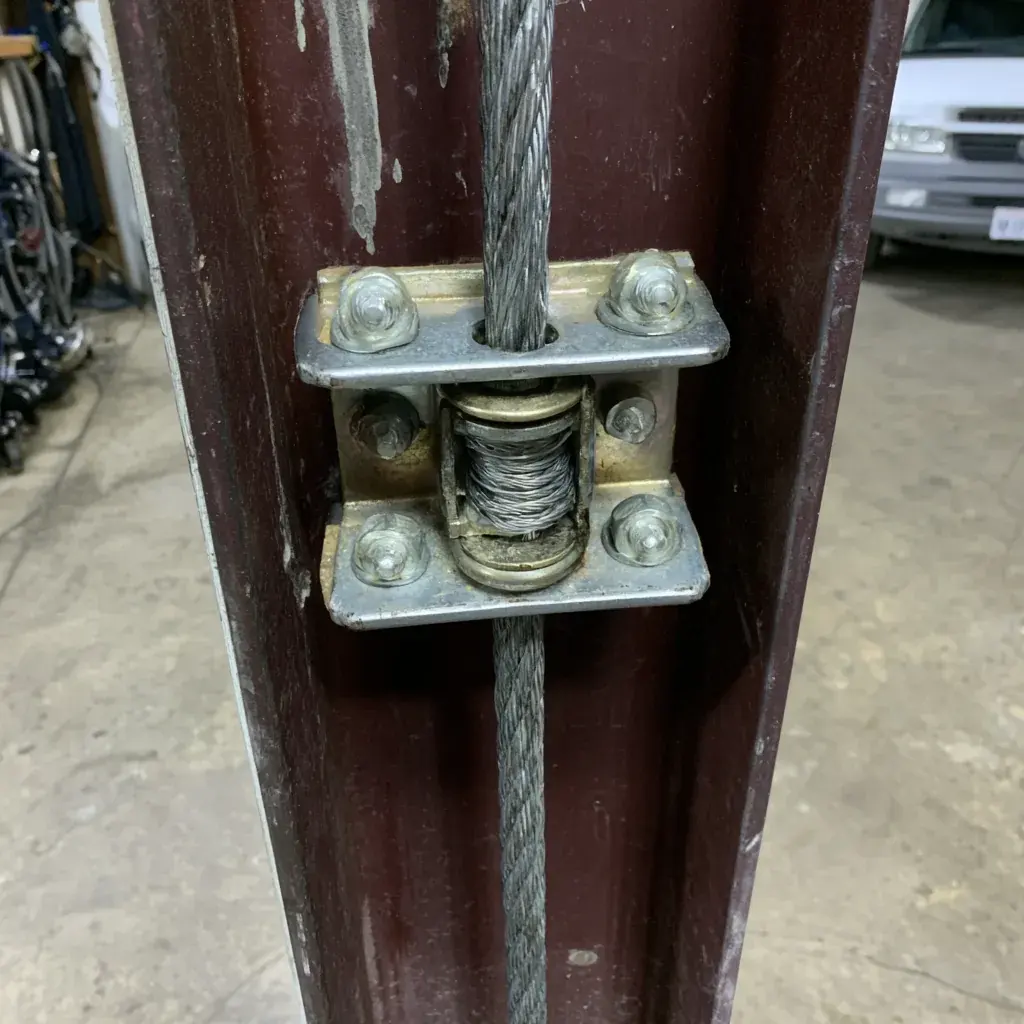
Anything under spring tension or holding the door's weight: the springs themselves, cables while they're loaded, the drums the cables wind onto, and the bottom brackets bolted to the door. That tension can snap a cable or drum loose fast. Homeowners from Bressi Ranch to La Costa Oaks should let the licensed pros we connect you with handle those, and check the part pages here for what each one actually does.
How do I figure out which part on my door broke?
Sound narrows it down but doesn't confirm it. A grinding roller and a fraying cable can both rattle near the same spot on the track, and a door that sticks halfway could be a spring, a bent track, or an opener gear. Look at the part itself, near Robertson Ranch or off Palomar Airport Road, and match what you see against the individual part pages.
Can just one garage door part be fixed alone?
Usually. A single roller, hinge, or cable is fine to replace on its own, and most homeowners near Bressi Ranch or Calavera Hills only need the one part fixed. The exception is anything that shares load with worn neighbors, like an old drum paired with a new cable. Check the specific part page for what else to inspect before you call it done.
How many years do garage door parts last in Carlsbad?
It comes down to cycles and salt air more than the calendar. A door near Terramar or Ponto that gets sea breeze and grit in the track tends to wear springs and hardware faster than one set back near Rancho Carrillo. Rollers and weatherstrip wear with daily use; springs are usually rated by cycle count. Check each part page for its typical range.
Get Started Today
Not sure which part has gone?
Call and describe what the door is doing. Confirm the inspection charge, availability, timing, visit charges, the written scope, and warranty terms directly with the licensed pros we connect you with.
Call (760) 392-8678